

Topics
1. High-Salt Foods 2. Soda and Carbonated Drinks 3. Excessive Caffeine 4. Alcohol 5. Excessive Red Meat 6. Foods High in Oxalates 7. Sugary Foods and High Sugar Intake Conclusion References:Osteoporosis is not just caused by aging; other factors, including food, can contribute to bone thinning. So, what foods should be avoided?
Who doesn't love salty or savory foods? But be cautious of overconsuming them, as it can negatively affect your bones. Bones are crucial in the human body as they act as the primary support structure and protect vital organs. However, as we age or due to other factors, bones can weaken and become brittle, a condition known as osteoporosis. This disease is characterized by a decrease in bone density, increasing the risk of fractures.
Certain foods can worsen osteoporosis by hindering calcium absorption or even speeding up the mineral loss from bones. Therefore, it is important for people with osteoporosis to be aware of the food prohibitions that could negatively impact bone health. Let’s take a closer look at which foods to avoid.
1. High-Salt Foods
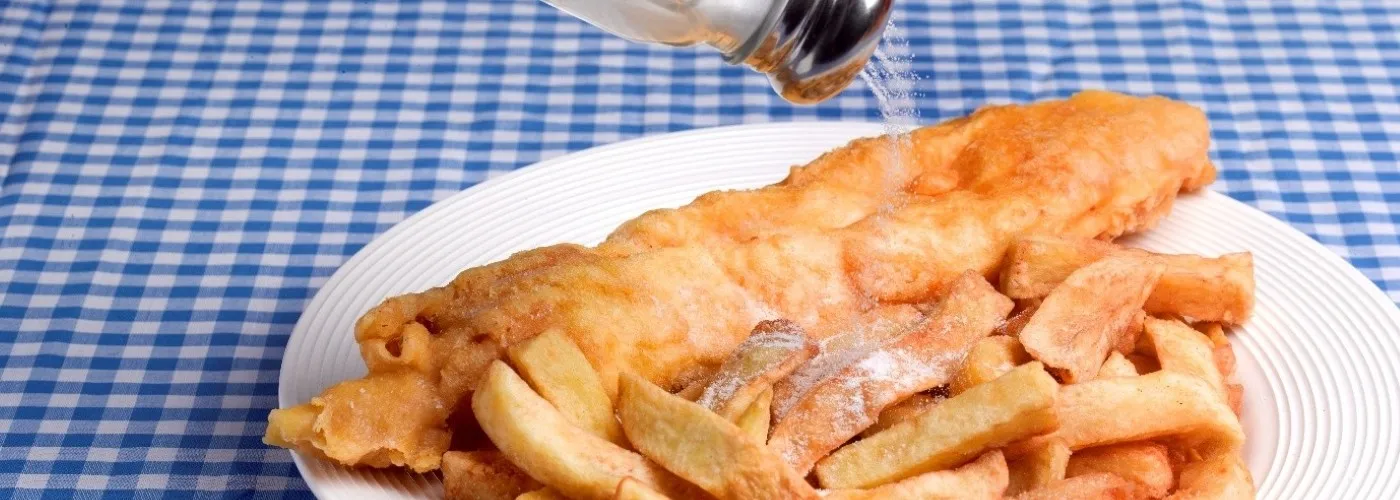
To maintain bone density, it’s advisable to avoid foods that are high in salt. Salt, or sodium chloride, has properties that can increase calcium excretion through urine. When the body consumes too much sodium, the kidneys work harder to expel the excess sodium through urine. Unfortunately, during this process, calcium that should be absorbed by the body is also lost.
Calcium is the main mineral that forms bone structure. If more calcium is lost than absorbed, bone density will decrease. Over time, this can lead to osteoporosis. Therefore, avoid foods like fast food, processed foods, and canned foods that are high in sodium.
Instead, you can choose healthier alternatives by using natural herbs and spices to flavor your food. Additionally, try to consume fresh, unprocessed foods.
2. Soda and Carbonated Drinks
Another food prohibition for osteoporosis is avoiding soda and carbonated drinks. To understand why, it’s essential to know the main ingredients in soda. Common ingredients found in sodas include phosphoric acid, caffeine, sugar or artificial sweeteners, carbonation (carbon dioxide), preservatives, and artificial colors.
Why should they be avoided? Phosphoric acid in sodas, particularly cola, can disrupt calcium balance in the body. Normally, the body requires a balance between calcium and phosphorus to maintain bone health. When too much phosphorus enters the body without enough calcium, the body will draw calcium from the bones to neutralize the phosphate levels in the blood. This leads to decreased bone density over time.
Caffeine in soda also affects bone health. Caffeine has a diuretic effect, meaning it increases urine production, which leads to more calcium being excreted through the kidneys. If more calcium is lost than absorbed, bone density will decline. To avoid food prohibitions for osteoporosis, it’s better to drink mineral-rich water, fruit juices, and low-fat or calcium-fortified plant-based milks.
3. Excessive Caffeine
Consuming excessive amounts of caffeine can increase calcium excretion through urine. Just like soda, caffeinated beverages can accelerate bone thinning. Examples of caffeinated drinks include coffee, black tea, energy drinks, and hot chocolate.
Although caffeine is necessary for the body in moderation, it’s better to consume it in reasonable amounts. You can opt for herbal teas without caffeine, calcium-fortified almond or soy milk, and fruit smoothies with low-fat yogurt instead.
4. Alcohol
Another food prohibition for osteoporosis is excessive alcohol consumption. Drinking too much alcohol can hinder the formation of new bone tissue and disrupt the balance of hormones that help maintain bone density. Alcohol also reduces calcium and vitamin D absorption and can weaken osteoblasts, the bone-building cells. This is why it’s best to avoid alcoholic beverages if you want to prevent bone thinning.
5. Excessive Red Meat
Red meat contains high levels of animal protein, and consuming it excessively can increase acidity in the body. This can trigger the body to excrete more calcium through urine. The types of red meat to reduce include fatty beef and lamb, as well as processed meats like ham and bacon. So, how does red meat affect bone health?
- Increased Body Acidity and Calcium Loss: One major reason why red meat is considered a food prohibition for osteoporosis is its high sulfur amino acid content. When the body digests animal protein, it produces sulfuric acid, which increases blood acidity. To neutralize this, the body uses calcium as a natural buffer. If dietary calcium is insufficient, the body will pull calcium from the bones, leading to reduced bone density over time.
- Chronic Inflammation and Bone Health: Red meat, especially fatty or processed varieties, can increase inflammation in the body. Chronic inflammation has been linked to various degenerative diseases, including osteoporosis. Diets high in saturated fats and processed red meat can also raise inflammatory markers like C-reactive protein (CRP), which can negatively affect bone density.
- Calcium and Phosphorus Imbalance: Red meat contains high amounts of phosphorus. While phosphorus is essential for bone health, an imbalance between phosphorus and calcium can have negative effects. If the intake of phosphorus exceeds that of calcium, the body can experience mineral metabolism issues, increasing the risk of osteoporosis.
6. Foods High in Oxalates
According to the Royal Osteoporosis Society, foods high in oxalates should be avoided for those with osteoporosis. To maximize calcium absorption for bone health, it's important to understand oxalates. Oxalates are natural compounds found in many healthy foods, including leafy greens (such as spinach), nuts (like almonds and cashews), beets, sweet potatoes, chocolate, and black tea.
In the digestive system, oxalates can bind to calcium and form compounds that are difficult for the body to absorb. However, this doesn't mean you should completely avoid these nutritious foods. The key is balance and variety. Be mindful not to overconsume high-oxalate foods, and make sure to meet your daily calcium needs from other low-oxalate sources, such as dairy products, tofu, tempe, and broccoli.
7. Sugary Foods and High Sugar Intake
Calcium and magnesium are two essential minerals for bone health. However, excessive sugar intake can interfere with the absorption of these minerals. Sugar increases calcium excretion through urine, meaning the body loses more calcium than it absorbs from food. A high-sugar diet can lead to a decrease in bone mineral density in individuals who are not getting enough calcium from their diet. This shows that excessive sugar consumption without balanced nutrition can contribute to osteoporosis.
The food prohibitions for osteoporosis include sweetened drinks like soda and packaged juices. It’s also advisable to avoid cakes, candies, and sugary desserts. Instead, swap out processed sweets with natural sweet foods like fruits and honey.
Conclusion
Managing your diet by avoiding food prohibitions for osteoporosis is an essential step in maintaining bone health. Reducing the intake of salt, caffeine, alcohol, and sugary foods while choosing foods rich in calcium and vitamin D will help slow bone thinning. In addition to a healthy diet, individuals with osteoporosis are encouraged to exercise regularly, get enough sunlight, and avoid smoking and excessive alcohol consumption.
With a healthy lifestyle and the right food choices, you can maintain good bone health and minimize the risk of fractures. You can also prevent osteoporosis by having regular checkups at a healthcare facility. Schedule your medical check-up at IHH Healthcare Malaysia for a comprehensive health assessment. Not only do they offer complete facilities, but they also provide affordable rates for your medical check-up. Don’t wait – book your check-up now before it’s too late!
References:
- https://health.clevelandclinic.org/osteoporosis-diet
- https://www.nhs.uk/live-well/bone-health/food-for-strong-bones/
- https://www.weightandwellness.com/resources/articles-and-videos/foods-help-osteoporosis
- https://www.mayoclinic.org/diseases-conditions/osteoporosis/symptoms-causes/syc-20351968
- https://www.betterhealth.vic.gov.au/health/conditionsandtreatments/osteoporosis#risk-factors-for-osteoporosis
- https://www.webmd.com/osteoporosis/understanding-osteoporosis-basics
- https://theros.org.uk/information-and-support/bone-health/nutrition-for-bones/are-there-any-foods-i-should-avoid/
- https://www.hsph.harvard.edu/nutritionsource/calcium/
- https://www.theros.org.uk/information-and-support/bone-health/calcium-and-bone-health/