


Topics
Job candidates are typically required to meet certain prerequisites, such as undergoing a health test. But what kind of health tests do prospective employees need to undergo? Types of Tests in a Medical Check-Up for Work Preparation Before the Medical Check-Up Importance of a Medical Check-Up for Work Conclusion References:Job candidates are typically required to meet certain prerequisites, such as undergoing a health test. But what kind of health tests do prospective employees need to undergo?
In the world of work, employee health is one of the key factors that support productivity and work effectiveness. Therefore, many companies establish medical check-ups as one of the conditions for hiring employees. A medical check-up for work aims to ensure that the prospective employee is in good physical and mental condition so they can perform optimally and do not have any illnesses that could interfere with their job activities.
A medical check-up or health check-up consists of a series of medical tests conducted to assess an individual’s overall health. In the recruitment process, the medical check-up is often the final stage for evaluating potential employees. Below are the types of tests commonly performed in a medical check-up for work and why they are important.
Types of Tests in a Medical Check-Up for Work
Health assessments for work are usually tailored to the nature of the job that will be performed. Several tests are required for prospective employees to go through. Below are some common tests performed in a medical check-up for work:
1. General Physical Examination
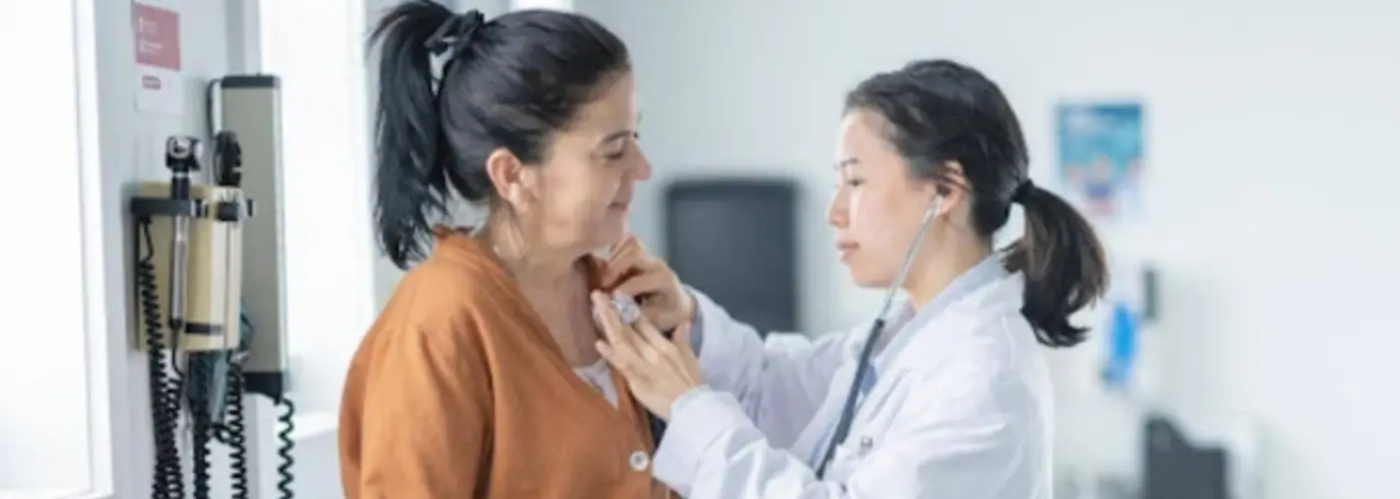
The first step in a work medical check-up is the general physical examination. This assessment aims to evaluate the overall health condition and detect any health issues that the candidate may not be aware of. The doctor will measure height and weight to assess nutritional status and body mass index (BMI). Additionally, blood pressure and pulse rate will be checked to ensure there are no cardiovascular issues such as hypertension or heart problems. Examination of the eyes, ears, nose, and throat is also essential, particularly for jobs that require keen senses, such as drivers or technicians.
2. Laboratory Tests
The subsequent phase of a pre-employment medical examination involves laboratory testing, which is designed to detect underlying health conditions that may not be externally apparent. Blood tests typically include assessments for blood sugar levels to detect the risk of diabetes, cholesterol levels to evaluate heart health, and liver and kidney functions to ensure these organs are working properly. In addition to blood tests, urine tests are conducted to detect potential kidney issues or infections. In some cases, stool tests may be performed to evaluate digestive health and detect hidden infections or bleeding in the digestive tract.
3. Cardiovascular Examination (Electrocardiogram/ECG)
An ECG is conducted to assess heart health and detect irregular heart rhythms or other heart diseases. This test is particularly important for prospective employees who will work in high-pressure environments or jobs requiring high physical activity. Conditions such as arrhythmia, hypertension, or a history of heart attacks could affect job performance and pose risks in the workplace.
4. Lung Examination (Chest X-ray)
A chest X-ray is performed to assess lung health and detect diseases such as tuberculosis (TB), lung infections, or structural abnormalities that could impair breathing. This test is commonly required for jobs with a high risk of exposure to dust, chemicals, or work environments with poor ventilation.
5. Drug and Alcohol Testing
Drug and alcohol tests are crucial, especially for companies in sectors like security, transportation, and heavy industries. Substance abuse can impair concentration, reflexes, and logical thinking, potentially causing workplace accidents. These tests are typically conducted using urine or blood samples to ensure candidates are not under the influence of illegal substances while on the job.
Mental Health Assessment Lastly, a medical check-up for work may include a mental health assessment. This test is often used to evaluate the emotional stability and mental readiness of candidates to handle workplace stress. Psychological tests can reveal conditions such as depression, anxiety, or personality disorders that might affect work performance. For jobs with high stress levels, such as customer service, finance, or healthcare, maintaining good mental health is crucial.
Preparation Before the Medical Check-Up
Employees undergoing a medical check-up for work should make preparations beforehand to ensure the most accurate results, which are not influenced by external factors. Below are several steps that candidates should take before undergoing a medical check-up for work:
1. Get Sufficient Sleep
Lack of sleep can affect blood pressure and blood sugar levels, which could skew test results. Additionally, a fatigued body may produce inaccurate results in certain health tests. Therefore, it is recommended to get at least 7-8 hours of sleep before undergoing the check-up.
2. Fasting Before the Test
Some blood tests, such as blood sugar and cholesterol tests, require fasting for 8-12 hours prior to blood sample collection. Fasting ensures the results are not influenced by food or drink consumed before the test. Therefore, candidates should follow the medical staff’s instructions on when to begin fasting.
3. Avoid Alcohol and Caffeine
Before undergoing a medical check-up for work, it is important to avoid consuming alcohol and caffeine. Both can affect blood pressure and liver function, so it is advisable to avoid them at least 24 hours before the test. Excessive alcohol can elevate liver enzymes, leading to abnormal test results, while caffeine can increase heart rate, interfering with blood pressure readings.
4. Avoid Intense Workouts
Physical Activity Intense physical exercise before the check-up can affect test results, such as enzyme levels in the blood and blood pressure. It is best to refrain from vigorous physical activity for one or two days before the medical examination. This helps ensure the body is in a stable condition during the check-up.
5. Bring Necessary Documents
Medical Documents For candidates with a history of medical conditions or ongoing treatments, it is recommended to bring their medical records. A list of any medications being taken should also be provided. This information will help doctors conduct a more thorough health evaluation.
Importance of a Medical Check-Up for Work
So, why is a medical check-up for work so important in the professional world? A medical check-up for work helps confirm that employees have a good health history. This process facilitates several important factors, such as:
1. Ensuring Health and Safety in the Workplace
Companies are responsible for ensuring that employees are in good health to avoid risks to themselves and others. Sick employees or those with specific medical conditions could cause a decline in productivity or even risk accidents. Thus, conducting various health tests helps companies better understand the health condition of prospective employees.
2. Preventing the Spread of Infectious Diseases
A medical check-up for work helps detect contagious diseases. Illnesses such as TB can spread in a workplace environment. Early detection through a medical check-up helps prevent these diseases from spreading to other employees and disrupting workplace productivity.
3. Ensuring Health Compatibility with Job Roles
Not all jobs are suitable for everyone. For example, someone with respiratory issues may not be fit for a job that involves exposure to dust or chemicals. A medical check-up for work helps ensure that the employee’s health is aligned with the specific job requirements, making the selection process more effective.
4. Preventing Long-Term Health
Risks Routine health checks can help identify health issues early on so that they can be addressed before becoming serious. Some prospective employees may not be aware of their own health conditions. Through a medical check-up for work, candidates can gain better insight into maintaining their health.
Conclusion
A medical check-up for work is a crucial process in employee recruitment that aims to ensure that the candidate is in optimal health. This examination not only benefits the company but also the employee by detecting potential health problems early on. By understanding the importance of medical check-ups, individuals can be more prepared for the recruitment process and maintain their health for a better future.
A medical check-up for work can also be done at IHH Healthcare Malaysia. The results of this examination will help fulfill requirements for health records if necessary. Schedule your check-up at IHH Healthcare Malaysia to make the process easier!
References:
- https://www.betterhealth.vic.gov.au/health/servicesandsupport/regular-health-checks
- https://www.clevelandclinicabudhabi.ae/en/health-byte/health/5-reasons-annual-checkup-is-important
- https://medlineplus.gov/lab-tests/drug-testing/
- https://medlineplus.gov/ency/article/003326.htm
- https://medlineplus.gov/lab-tests/how-to-prepare-for-a-lab-test/